
Response to the Animal Welfare (Import of Dogs, Cats and Ferrets) Bill
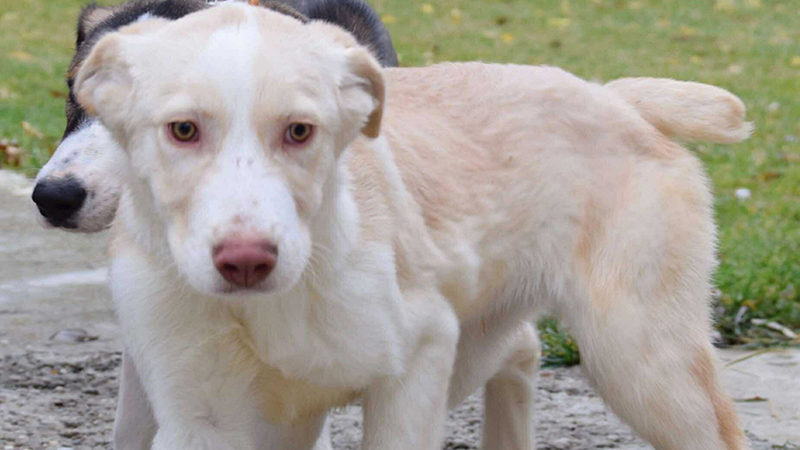
This is Teddy. Along with his brother, Toby, he was taking refuge from the streets of Romania underneath a car. When the owner of the vehicle got in, he had no idea that there were two puppies sheltering beneath his vehicle and began to drive away, that’s when he discovered the two brothers and Teddy with an injured tail. The kind rescuer took the dogs to our shelter and our vet team managed to save as much of Teddy’s tail as possible. As far as we currently know, under the new Animal Welfare Bill in England, Teddy will not be able to travel to a safe haven, a home of his own and experience the joy of a family.
The UK Government has introduced the Bill to tackle puppy smuggling and put an end to cruel practices, such as dog mutilation. It currently states that entry will be denied to; puppies under the age of 6 months, dogs with docked tails and dogs with cropped ears. The Bill is a huge step forwards for Animal Welfare and we wholeheartedly support these efforts to put animal rights front and centre in our Government and raise the alarm when it comes to puppy smugglers. However, we currently see no clarity when it comes to exceptions within the Bill for registered rescue charities operating overseas, who see and rescue dogs with docked tails, cropped ears on a daily basis – many rescued from puppy farms themself.
Not only Teddy. Dogs who have been rescued from the Meat Trade often have had their tails docked by traders. Some dogs are even born this way or it can be inherited in some breeds, others have been mutilated by the very owners they’ve been rescued from – will there be exceptions in these cases too? Further can be said for puppies waiting in shelters until 6 months of age. This forgets to take into account a crucial socialisation period for dogs rescued at a young age and could be time well spent in a home, socialising and adapting to their new environment.
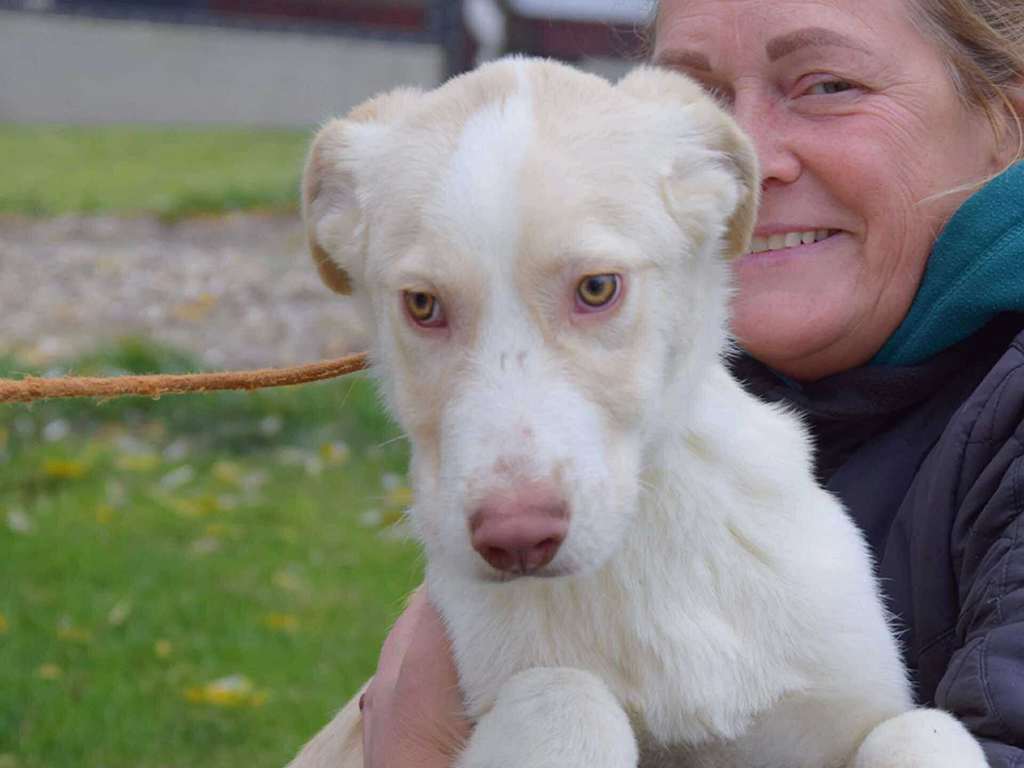
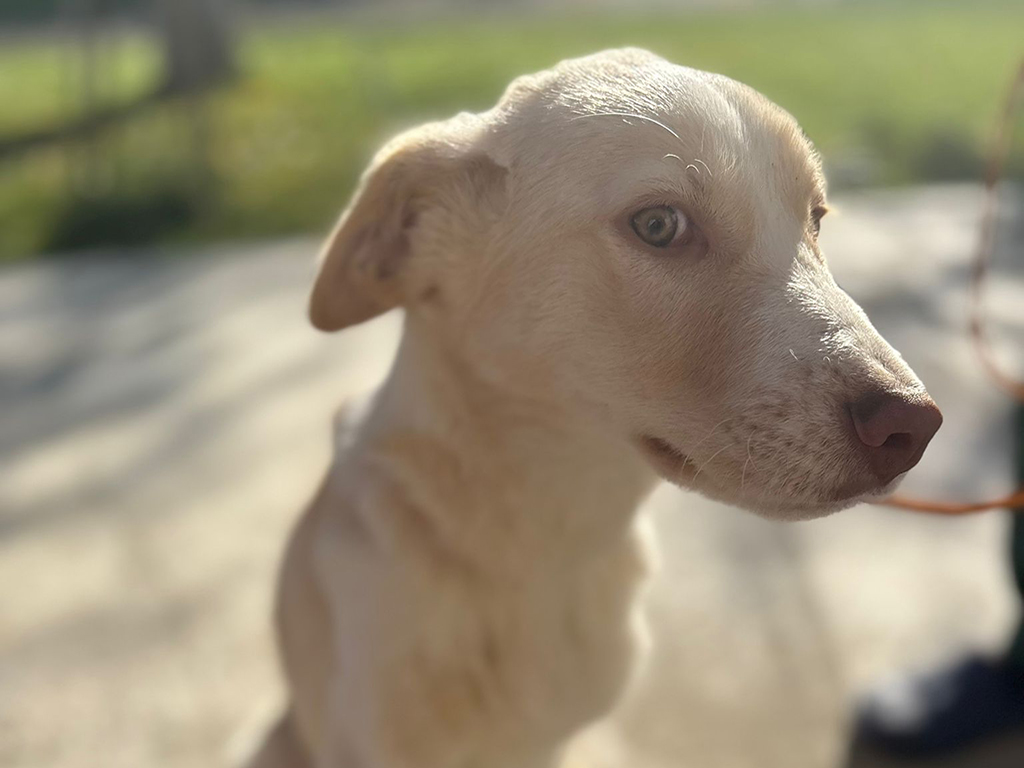
This means, when the Bill comes into play, we and many other reputable, registered and responsible rescue charities may not be able to find homes for dogs of this nature, dogs like Teddy – whose tail was saved for necessity and to prevent further pain to him. Responsible rescues already follow stringent rehoming protocols when it comes to adopting dogs into the UK and DEFRA itself already has an Approved Importer Scheme for some countries which holds those rescues accountable. With acceptable exceptions in place, any responsible rehoming charity will be in support of following further protocols to ensure the Bill stays relevant but does not inhibit the futures of countless dogs or cats and ensures their schemes remain ethical.
Right now, rescue dogs and cats are pushed to the bottom of the list once again and major support is lacking for their freedom, with little to nothing currently noted in their recognition. They must wait in limbo and we can only hope that thousands of helpless animals, rescued for their own welfare – the very same animal welfare this bill aims to promote – will not be left stagnant in shelters all over the world.
The next stage is for the Bill to gain royal ascent and for it to undergo secondary legislation. At which point, the specific rules and regulations will be declared and the Bill will become Law – it is then that we will know if exemptions are going to be considered. In the meantime, we must raise our voices, remain proactive and be the voices for the many animals that are steadily becoming lost among collateral damage.
The wonderful Eve at Underdog International has created template letters which can be emailed to MP’s and DEFRA, with links to their email addresses. If you can support by writing it’s easily done so here, thank you Eve: Rescue exemption email templates – Dropbox
Overseas rescue is not to be feared. Let’s get Teddy home.